Custom LASIK: Tailoring Eye Surgery for Your Unique Vision Needs
Introduction
LASIK surgery has revolutionised the way people with refractive errors, such as myopia (nearsightedness), hyperopia (farsightedness), and astigmatism, see the world. But as technology advances, LASIK is evolving to meet the unique needs of each patient. In 2026, custom LASIK is at the forefront of this transformation, offering highly personalised treatments that provide more precise, tailored vision correction. If you’re considering LASIK, it’s essential to understand how customisation works and how it can offer superior results compared to traditional methods.
What is Custom LASIK?
Custom LASIK refers to advanced laser eye surgery techniques that are personalised to each patient’s unique eye characteristics. Unlike conventional LASIK, which uses a standard laser template for vision correction, custom LASIK uses detailed, 3D mapping of your eye to create a fully customised treatment plan. This ensures that even subtle imperfections in the cornea are corrected, improving not just visual acuity but overall eye health and comfort.
How Custom LASIK Works
Advanced Wavefront Mapping
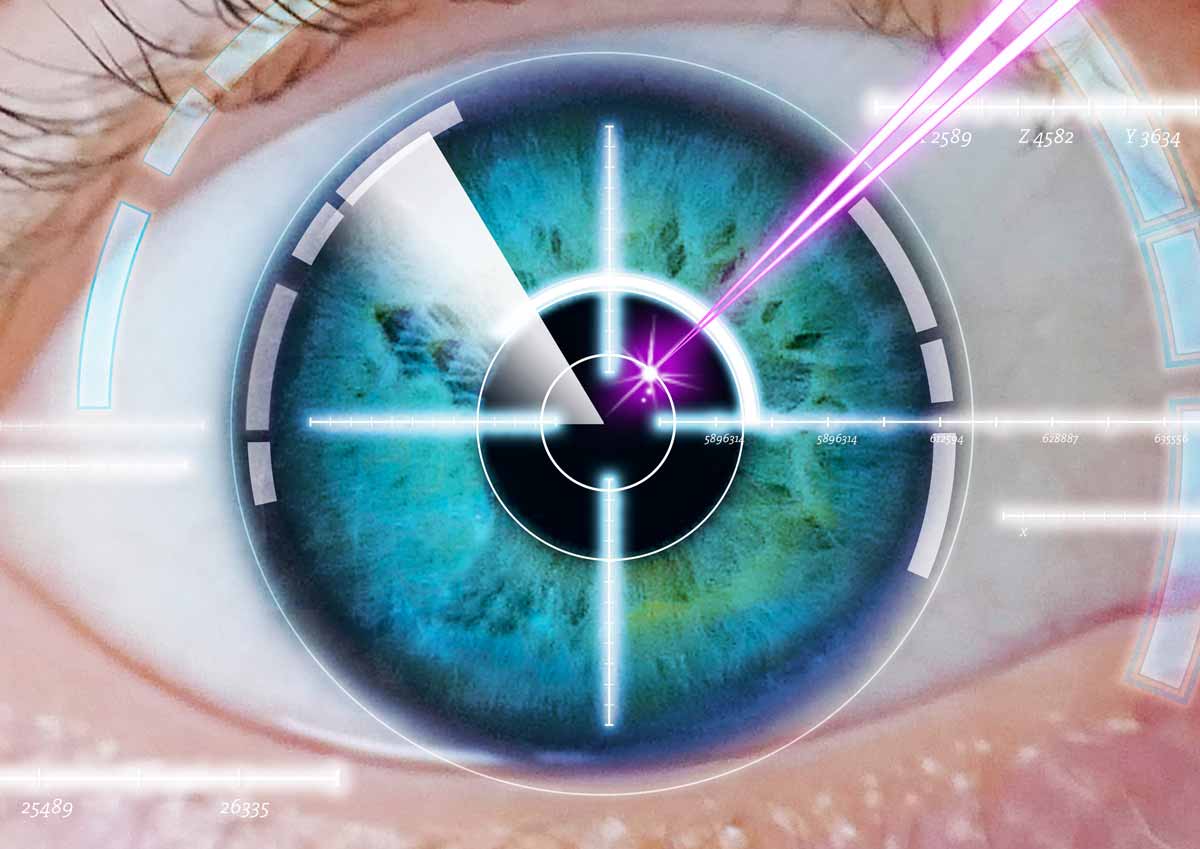
Wavefront technology plays a key role in custom LASIK procedures. Using a wavefront-guided laser, a detailed map of the eye’s unique imperfections is created. This technology detects even microscopic irregularities in the cornea that traditional LASIK may miss. The result is a laser treatment that corrects not only your prescription but also any other vision distortions, such as astigmatism, light sensitivity, and night vision problems.
Corneal Topography
In addition to wavefront mapping, custom LASIK also involves corneal topography, a technique that maps the curvature of your cornea. This allows your surgeon to account for every contour of your eye, enabling the laser to target specific areas with greater accuracy. This precision reduces the likelihood of complications like dry eyes and glare, which are common with traditional LASIK.
Innovations in Custom LASIK Technology for 2026
Femtosecond Laser Precision
One of the major innovations in LASIK is the femtosecond laser, which is used for creating the corneal flap in custom LASIK. Unlike traditional mechanical blades, the femtosecond laser creates a more precise flap with minimal disruption to the corneal tissue. This reduces the risk of complications and promotes a faster recovery time.
SMILE (Small Incision Lenticule Extraction)
SMILE is a minimally invasive laser procedure gaining popularity. It is particularly advantageous for patients with thinner corneas. In this procedure, a small incision is made, and a lenticule of tissue is removed from the cornea, reshaping it for improved vision. SMILE is less traumatic to the eye than traditional LASIK, and it results in fewer complications, including less dryness and faster healing.
Benefits of Custom LASIK
- Superior Visual Outcomes: Custom LASIK offers better visual clarity compared to traditional LASIK. This includes improved contrast sensitivity, better night vision, and reduced glare and halos.
- Personalised Treatment: Every aspect of the surgery, from the laser settings to the corneal flap creation, is adjusted to meet the individual’s specific needs, ensuring more accurate results.
- Reduced Risk of Complications: The advanced technology involved in custom LASIK reduces the chances of common complications such as dry eyes, glare, and light sensitivity.
- Long-term Results: Custom LASIK is more effective in the long run, providing lasting results for patients who may have previously been deemed ineligible for surgery due to irregular corneal structures.
How Custom LASIK Improves Vision Compared to Older Technologies
| Feature | Traditional LASIK | Custom LASIK (2026) |
|---|---|---|
| Flap Creation | Mechanical microkeratome | Femtosecond laser |
| Visual Clarity | Standard correction | Enhanced contrast and clarity |
| Night Vision | Common side effects (glare, halos) | Reduced glare and improved night vision |
| Personalisation | Standard prescription correction | Detailed mapping of individual eye imperfections |
| Recovery Time | 3-5 days | 24-48 hours with faster visual stabilisation |
Custom LASIK has taken LASIK surgery to the next level, providing faster recovery times and better visual outcomes with advanced technology and personalised treatment plans.
What to Expect During the Custom LASIK Procedure
Pre-Surgery Evaluation
Before undergoing custom LASIK, a thorough eye examination will be conducted. This includes tests such as wavefront mapping and corneal topography to create a detailed map of your eye. Your surgeon will assess the overall health of your eyes, discuss your medical history, and determine whether you’re a good candidate for custom LASIK.
The Surgery
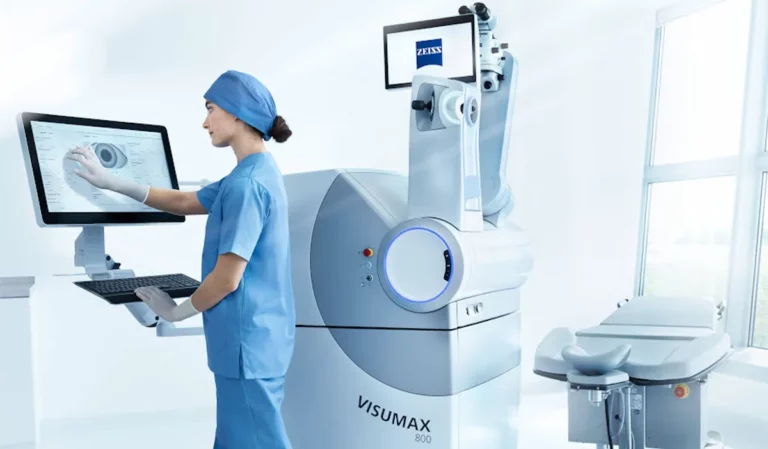
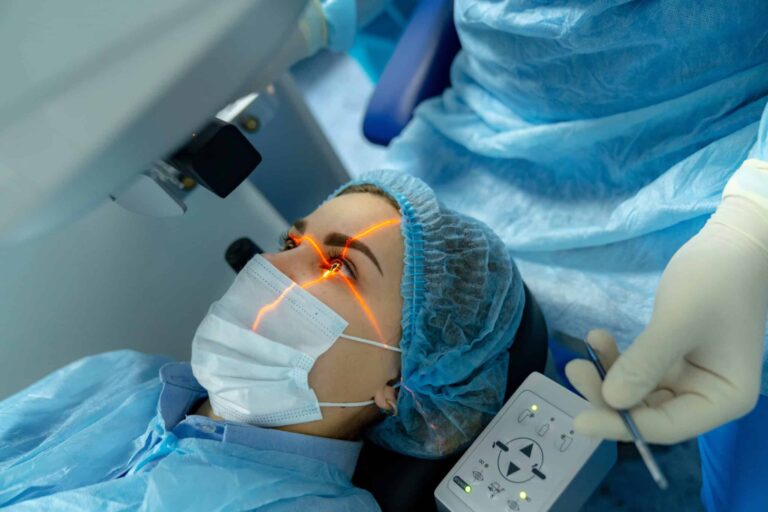
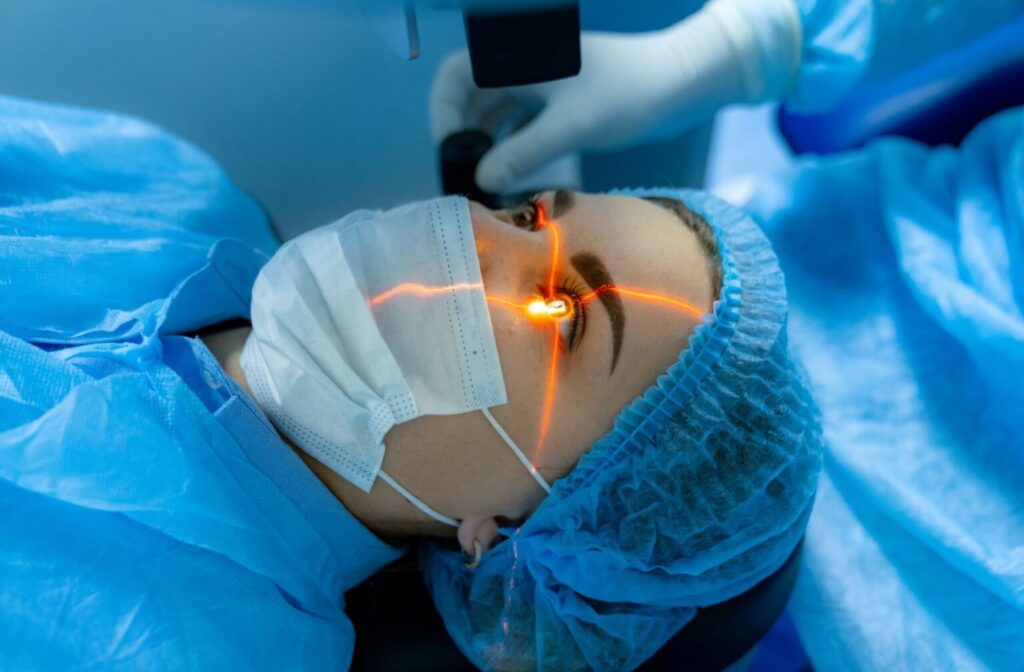
The actual procedure is quick, typically taking between 15 to 30 minutes per eye. During surgery, a femtosecond laser is used to create a flap in the cornea, which is gently lifted. The excimer laser is then used to reshape the cornea based on your customised map, correcting your vision.
Post-Surgery Care
After surgery, you will be given special protective eye shields and medicated drops to help prevent infection and reduce inflammation. Most patients experience mild discomfort, which usually subsides after the first 24 hours. Follow-up appointments are essential to ensure your eyes are healing properly and to track your visual progress.
Risks and Considerations of Custom LASIK
While custom LASIK significantly reduces risks compared to older methods, it’s important to be aware of potential side effects, such as:
- Dry Eyes: Temporary dryness is common, but it can be managed with lubricating drops.
- Overcorrection or Undercorrection: While less common with custom LASIK, some patients may still experience minor adjustments post-surgery.
- Visual Fluctuations: Some people experience vision changes for a few weeks as the eyes heal and adjust to the new corneal shape.
These risks are generally mild and temporary, and the benefits of custom LASIK often far outweigh them.
Recovery Process for Custom LASIK
- Day 1-2: Expect mild discomfort, watery eyes, and blurry vision. You may be advised to take naps and avoid strenuous activities.
- Week 1: Most patients report improved vision within a few days. Avoid rubbing your eyes and follow your surgeon’s instructions regarding medication and eye protection.
- Month 1: Full visual clarity is often achieved, although occasional visual fluctuations may occur.
- Long-term: Most patients enjoy stable, long-lasting vision. Follow-up checkups are essential to ensure no complications arise over time.
Conclusion
Custom LASIK represents a breakthrough in vision correction, offering personalised solutions to help you achieve clearer, more stable vision with fewer side effects. Advanced technologies like wavefront-guided lasers, femtosecond lasers, and SMILE are making LASIK a safer, more effective option for individuals with unique eye structures and complex vision needs. If you’ve been considering LASIK, custom LASIK could be the right choice to offer the best possible vision outcomes tailored specifically for you.
FAQs
1. What is custom LASIK and how is it different from traditional LASIK?
Custom LASIK uses advanced technologies like wavefront mapping and corneal topography to create a personalised treatment plan for each patient. Unlike traditional LASIK, which uses standard templates, custom LASIK accounts for unique imperfections in the eye, leading to better vision quality and fewer side effects.
2. How long does it take to recover from custom LASIK surgery?
Recovery time is typically faster with custom LASIK compared to older methods. Most patients experience significant improvement within 24–48 hours, with final visual clarity achieved within a month. Adhering to post-operative instructions and attending follow-up appointments ensures optimal recovery.
3. Are there any risks associated with custom LASIK?
Although custom LASIK significantly reduces risks, some temporary side effects may include dry eyes, mild visual fluctuations, and minor overcorrection. These side effects are generally mild and subside over time. Discussing risks with your surgeon helps manage expectations.
4. How does custom LASIK improve night vision?
Custom LASIK corrects irregularities in the cornea that traditional LASIK may miss, including issues like glare and halos. By using wavefront-guided technology, custom LASIK enhances contrast sensitivity and night vision, providing clearer, sharper vision in low-light conditions.
5. Can I have custom LASIK if I have an irregular cornea?
Yes, custom LASIK is particularly beneficial for patients with irregular corneas. Advanced mapping techniques allow your surgeon to design a personalised treatment plan that accommodates the unique contours of your eye, improving visual outcomes and reducing complications compared to traditional LASIK.