
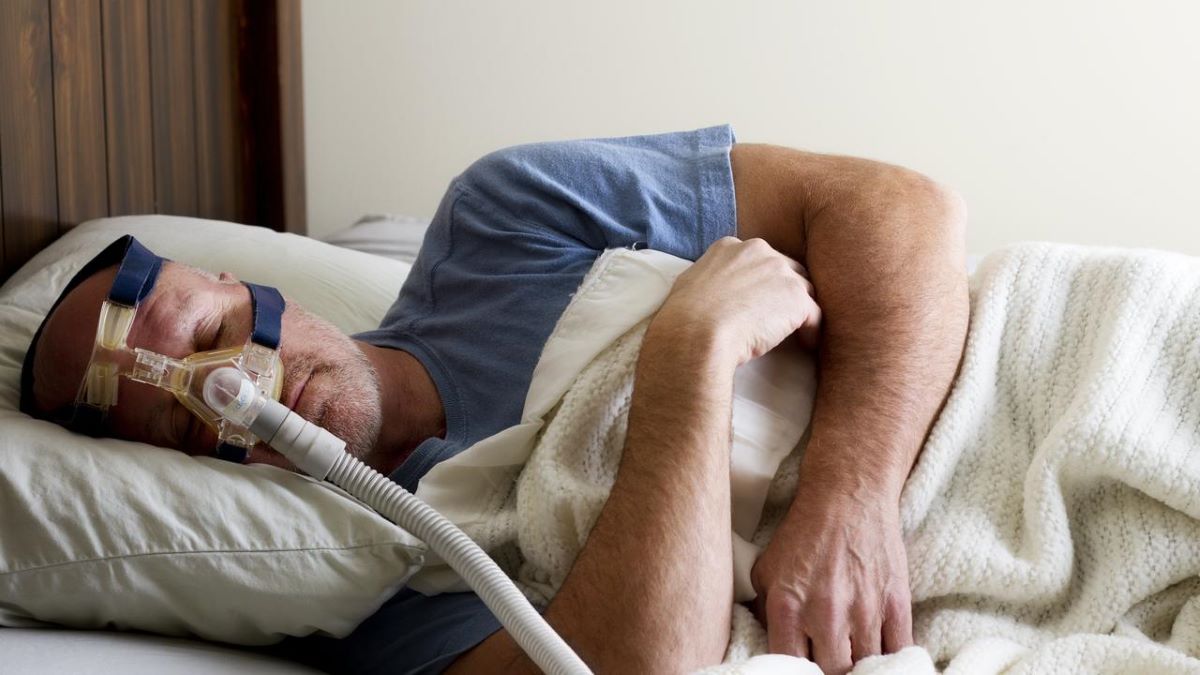
Home Sleep Study Canberra vs Hospital Testing: Which Is More Reliable?
Sleep disorders affect millions of Australians, disrupting everything from cardiovascular health to mental wellbeing and daily productivity. Obstructive sleep apnea alone impacts an estimated 5-10% of adults, yet many cases remain undiagnosed due to barriers in accessing appropriate testing.
Accurate diagnosis forms the foundation of effective treatment. Without proper assessment, patients may receive inappropriate interventions or miss critical underlying conditions that require specific management approaches.
Two primary diagnostic methods exist for sleep disorder diagnosis: home sleep studies and hospital-based polysomnography. Home sleep studies use portable monitoring devices in your own bedroom, while hospital testing involves overnight observation in a specialized sleep laboratory with comprehensive monitoring equipment.
For Canberra residents, both options are readily available through local healthcare providers and Canberra Hospital’s Sleep Disorders Unit. Understanding the reliability differences between home sleep study Canberra services and hospital sleep testing reliability helps patients and doctors choose the most appropriate diagnostic pathway based on individual circumstances and suspected conditions.
What Are Home Sleep Studies and How Do They Work in Canberra?
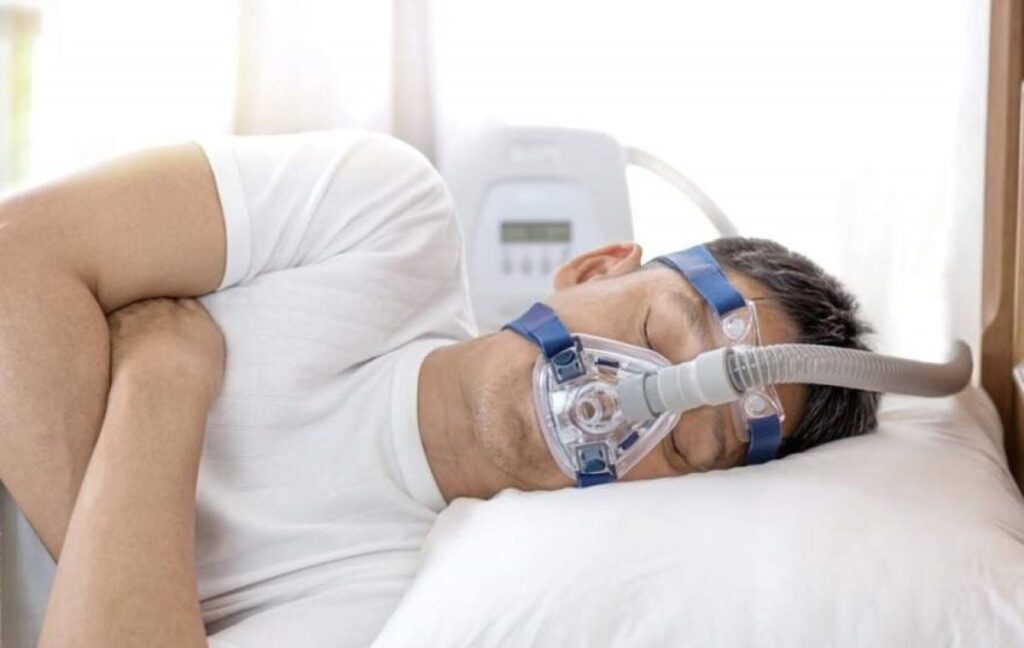
Home sleep apnea testing Canberra offers patients a convenient diagnostic option using portable monitoring devices that can be set up without medical supervision. These compact units are designed for simple, at-home use, allowing individuals to undergo testing in their natural sleep environment rather than an unfamiliar hospital setting.
What parameters does portable sleep monitoring track?
HSAT devices typically measure essential physiological markers that indicate sleep-disordered breathing:
- Breathing patterns through nasal airflow sensors
- Heart rate via chest sensors or pulse oximetry
- Blood oxygen saturation levels to detect desaturation events
- Body position and sometimes snoring intensity
How does the HSAT process work from start to finish?
The journey begins with a consultation where your GP or sleep specialist assesses your symptoms and provides a prescription for home sleep apnea testing Canberra. You’ll receive the portable device—either collected from a clinic or delivered to your home—along with clear setup instructions. Most patients complete the test over 1-2 nights, wearing sensors that attach to the chest, finger, and near the nose.
After recording your sleep data, you return the device to your provider. Sleep technicians analyze the collected information, and your doctor reviews the results with you during a follow-up appointment, typically within 1-2 weeks. Canberra residents can access these services through the Respiratory Physiology Laboratory at Canberra Hospital and several private sleep clinics throughout the region.
What Is Hospital-Based Sleep Testing and Why Is It Considered the Gold Standard?
Polysomnography Canberra facilities offer the most comprehensive approach to diagnosing sleep disorders through detailed overnight monitoring. Hospital sleep lab testing captures a complete picture of what happens during sleep by recording multiple physiological signals simultaneously in a controlled clinical environment.
A comprehensive sleep study conducted at a specialized sleep laboratory measures far more than basic breathing and oxygen levels. The technology tracks:
- Brain activity through electroencephalography (EEG) electrodes placed on the scalp
- Eye movements via sensors near the eyes to identify different sleep stages
- Muscle activity in the chin and legs to detect abnormal movements
- Heart rhythm through continuous ECG monitoring
- Breathing patterns including airflow and respiratory effort
- Blood oxygen saturation throughout the night
- Body position and limb movements
These extensive measurements prove essential for diagnosing complex conditions. Brain wave monitoring distinguishes between sleep stages, which becomes critical when identifying REM sleep behavior disorder or narcolepsy. Muscle activity sensors detect periodic limb movements that might disrupt sleep quality. The combination of all these data points allows sleep specialists to identify subtle patterns that simpler devices miss.
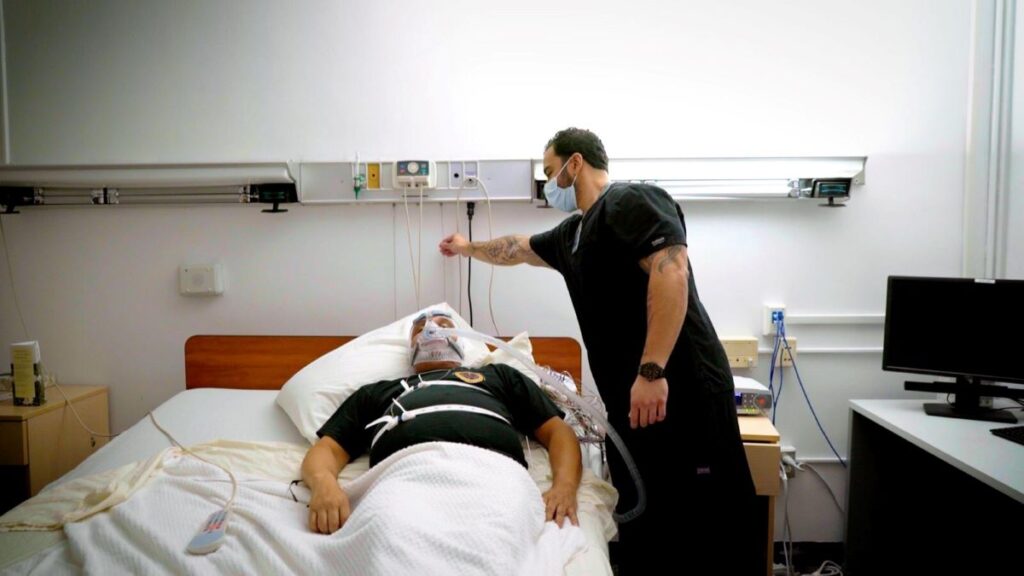
At Canberra Hospital’s Sleep Disorders Unit, patients undergo polysomnography after receiving a referral from their general practitioner. The process involves spending one full night in a private room within the sleep laboratory. Trained technologists attach the monitoring equipment and observe the study remotely throughout the night. The controlled environment ensures high-quality data collection while specialized staff can respond immediately if technical issues arise or if a patient requires assistance during testing.
How Do Home Sleep Studies Compare to Hospital Testing in Terms of Reliability?
Home sleep studies demonstrate high accuracy for detecting moderate to severe obstructive sleep apnea, with research showing detection rates of approximately 88.5% or higher when using advanced portable devices. Hospital polysomnography maintains superior reliability across all severity levels and sleep disorder types, capturing subtle variations that home tests might miss.
The gap in obstructive sleep apnea diagnosis reliability between these methods narrows significantly for straightforward OSA cases. Patients with clear symptoms and moderate to severe apnea typically receive accurate diagnoses through home testing. The portable devices excel at measuring respiratory events, oxygen desaturation, and heart rate patterns—the primary indicators needed for OSA assessment.
Home vs hospital sleep test accuracy diverges when complexity enters the picture. Home studies record between 3-7 data channels, while hospital polysomnography captures 15-20 simultaneous parameters. This difference becomes critical when diagnosing:
- Central sleep apnea (requires brain activity monitoring)
- Complex OSA with mixed apnea events
- REM sleep behavior disorder
- Periodic limb movement disorder
- Narcolepsy or hypersomnia conditions
The absence of EEG monitoring in home studies prevents accurate sleep staging and identification of arousals. A patient might experience breathing disruptions during wakefulness that a home device records as sleep apnea, leading to potential misdiagnosis. Hospital testing eliminates this ambiguity through continuous brain wave monitoring.
Technician oversight during hospital testing provides another reliability advantage. Sleep technologists adjust sensors if they become dislodged and ensure quality data collection throughout the night. Home studies depend entirely on proper self-application, which introduces variability in data quality despite detailed patient instructions.
When Is a Home Sleep Study Suitable for Patients in Canberra?
Who benefits most from home sleep apnea testing?
Patients with suspected moderate to severe OSA without significant comorbidities are ideal candidates for home sleep apnea testing (HSAT) in Canberra. Those experiencing classic symptoms—loud snoring, witnessed breathing pauses, excessive daytime sleepiness, and morning headaches—typically receive accurate diagnoses through home testing.
What medical profiles work best with home studies?
Individuals without heart failure, chronic respiratory conditions, neurological disorders, or neuromuscular diseases can safely use portable monitoring devices. The indications for HSAT Canberra include straightforward cases where obstructive sleep apnea is the primary concern rather than complex sleep disorders requiring brain wave analysis.
How does cost influence testing choices?
Home sleep studies in Canberra range from $150 to $500, representing significant savings compared to hospital polysomnography costs exceeding $3,000. This affordability makes diagnosis accessible to more patients, particularly those with limited healthcare budgets or inadequate insurance coverage.
What about wait times?
Canberra’s healthcare system experiences shorter appointment delays for home testing compared to hospital-based studies. Patients often receive their HSAT equipment within days of their GP referral, while sleep lab bookings may extend weeks or months depending on demand at Canberra Hospital’s Sleep Disorders Unit.
The mild vs severe OSA diagnosis at home proves most effective when symptoms clearly point toward moderate-to-severe cases, allowing clinicians to confidently prescribe treatment based on home study results.
When Should Hospital-Based Sleep Testing Be Preferred?
Hospital-based sleep studies are necessary when symptoms indicate complex or multiple sleep disorders that need accurate diagnosis. Even patients with mild symptoms require proper assessment of severity, especially when treatment decisions depend on detailed information. The comprehensive monitoring available through indications for polysomnography Canberra facilities captures subtle abnormalities that home devices might miss, such as periodic limb movement disorder occurring alongside OSA.
Significant underlying medical conditions make hospital testing the safer, more reliable choice. Patients with heart failure require continuous cardiac monitoring during sleep assessment, as breathing disturbances can trigger dangerous cardiovascular events. Neurological conditions like Parkinson’s disease or stroke history demand the brain activity measurements (EEG) that only polysomnography provides, enabling accurate complex sleep disorder diagnosis that distinguishes between central and obstructive apneas.
The controlled environment at Canberra Hospital’s Sleep Disorders Unit offers additional advantages for these vulnerable populations:
- Real-time technician monitoring throughout the night ensures immediate response to medical emergencies
- Complete physiological data collection including muscle tone and REM sleep behavior patterns
- Ability to adjust equipment if technical issues arise during recording
- Professional observation of unusual sleep behaviors that patients cannot self-report
Patients with inconclusive home study results also require the deeper investigation that hospital testing delivers, particularly when symptoms persist despite normal home test findings. This is especially important in cases where sleep disorders are associated with other health issues, necessitating a thorough and precise diagnostic approach.
What Are the Cost and Accessibility Differences Between Home and Hospital Sleep Studies in Canberra?
Cost Comparison: Home Sleep Studies vs. Hospital Sleep Studies
Home sleep studies cost significantly less than hospital testing. HSATs typically range from $150 to $500, while hospital polysomnography can exceed $3,000. This substantial price difference makes home testing the more affordable option for many Canberra residents, though the higher cost of hospital testing reflects its comprehensive diagnostic capabilities.
Insurance Coverage for Sleep Studies
Private health insurance coverage varies depending on the policy and medical necessity. Some insurers provide partial or full coverage for both home and hospital sleep studies when a treating doctor determines the test is medically required. Patients should verify their specific coverage details before proceeding with either testing method.
Wait Times for Sleep Studies
Wait times differ considerably between the two options. The Respiratory Physiology Laboratory at Canberra Hospital experiences longer queues due to high demand and limited capacity for overnight monitoring. Private providers offering home sleep studies generally have shorter wait times, allowing patients to receive their testing equipment within days rather than weeks or months.
Referral Process for Sleep Studies
Both testing methods require a referral from a general practitioner before booking. The referral process remains consistent regardless of which option patients choose, though the triage system at Canberra Hospital prioritizes cases based on clinical urgency. Private providers typically operate on a first-come, first-served basis after receiving appropriate medical referrals.
How Does Patient Comfort Impact the Choice Between Home and Hospital Testing?
Patient comfort sleep testing Canberra significantly influences diagnostic outcomes and test compliance. Sleeping in your own bed eliminates the “first-night effect”—a well-documented phenomenon where unfamiliar environments disrupt natural sleep patterns and potentially skew results.
The Benefits of Home Studies
Home studies, such as at-home sleep apnea tests, allow patients to maintain their regular bedtime routines, from evening rituals to preferred sleeping positions. This familiarity reduces anxiety levels that commonly spike during hospital stays, particularly for individuals who rarely sleep away from home. The convenience of home studies extends beyond physical comfort; patients can test on their preferred schedule without arranging overnight childcare or time off work.
How Portable Equipment Makes a Difference
The portable equipment used in home testing is designed for minimal intrusion. While hospital polysomnography requires numerous electrode placements and constant monitoring by technicians, home devices typically involve:
- Simple chest bands or nasal cannulas
- Finger-based oxygen sensors
- Minimal wiring that allows natural movement
This reduced setup complexity means patients are more likely to complete the full testing protocol without premature removal of equipment—a common issue affecting data quality. Studies show compliance rates improve when testing occurs in comfortable, familiar settings, as individuals tolerate monitoring devices better when surrounded by their own environment rather than clinical settings with unfamiliar sounds, lighting, and temperatures. You may like to visit https://communityforvision.com/bulk-bill-sleep-study-sydney-how-to-find-providers-that-accept-medicare/ to get how to find providers that accept medicare.
What Role Do Healthcare Professionals Play In Guiding The Choice Between These Tests?
Healthcare professionals play a crucial role in helping patients decide which sleep testing method is best for them. They do this by conducting thorough medical consultations to assess each patient’s specific situation.
How Doctors Make Recommendations
During these consultations, doctors consider various factors such as:
- Severity of symptoms
- Medical history
- Any specific risk factors
Based on this information, they can recommend either home or hospital-based testing as appropriate.
Initial Assessments by General Practitioners
In Canberra, general practitioners usually start the assessment process by looking at:
- Sleep patterns
- Levels of daytime fatigue
- Breathing interruptions that have been observed during sleep
They also take into account any existing health conditions like cardiovascular disease, respiratory disorders, or neurological issues that could impact the choice of test. For patients with clear symptoms of moderate to severe obstructive sleep apnea (OSA)—such as loud snoring, witnessed apneas, and excessive daytime sleepiness—without any complicating factors, referrals for home sleep studies are often made.
Involvement of Sleep Specialists
When cases require more detailed evaluation, sleep specialists at Canberra Hospital’s Sleep Disorders Unit provide additional expertise. They analyze test results in conjunction with each patient’s overall health profile to ensure accurate diagnosis regardless of where the test was conducted.
This collaborative approach between healthcare professionals and specialists ensures that decisions regarding sleep tests are based on clinical best practices while also considering the unique needs of each patient.
Conclusion
Which testing method offers the most reliable path to diagnosis in Canberra? Both home sleep studies and hospital-based polysomnography serve essential roles in diagnosing sleep disorders, with neither method universally superior to the other. The best sleep study method Canberra patients should choose depends entirely on individual circumstances, symptom complexity, and underlying health conditions.
Reliable sleep disorder diagnosis increasingly relies on a complementary approach rather than an either-or decision. Home sleep studies excel at detecting moderate to severe obstructive sleep apnea efficiently and affordably, while hospital testing remains indispensable for complex cases requiring comprehensive monitoring. This hybrid model maximizes diagnostic accuracy while addressing practical concerns about cost and accessibility.
The question of Home Sleep Study Canberra vs Hospital Testing: Which Is More Reliable? ultimately requires professional medical guidance. Healthcare providers in Canberra can assess your specific symptoms, medical history, and diagnostic needs during an initial consultation. This personalized evaluation ensures you receive the most appropriate testing method, leading to accurate diagnosis and effective treatment planning tailored to your unique sleep health requirements.
