
How Much Should You Expect to Pay for a Sleep Apnea Test Cost Australia?
What does a sleep apnea test cost in Australia on average?
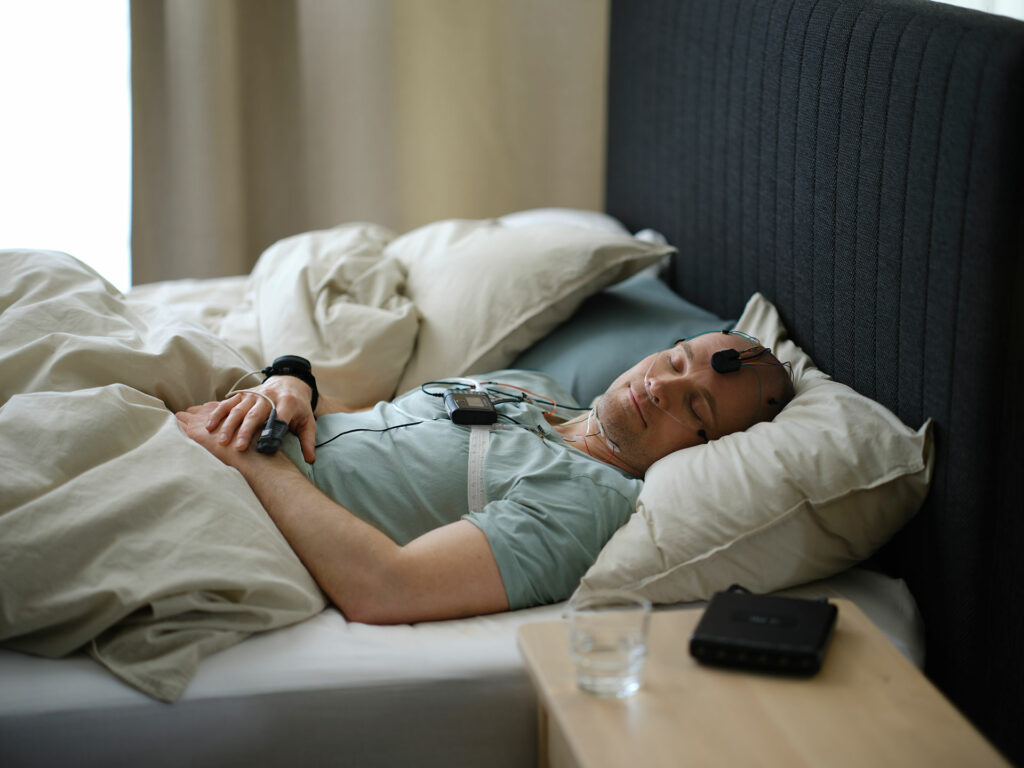
Most people will see typical out-of-pocket pricing fall into two broad bands: at-home sleep tests often land in the low hundreds, while in-lab sleep studies can climb into the high hundreds or thousands. The biggest drivers are where the test happens, whether a specialist is involved, and whether a rebate applies.
For a sleep apnea test Australia, quotes can look miles apart because clinics bundle services differently and may be covering different things.
How much does an at-home sleep apnea test usually cost in Australia?
At-home tests (often called HSAT or home sleep studies) commonly cost a few hundred dollars when paid privately. They are usually cheaper because they use fewer sensors and do not require an overnight hospital or lab bed.
Some providers include set-up, device hire, scoring, and a report in one fee. Others charge separately for the equipment and for the doctor’s interpretation, so they should confirm exactly what the price covers.
How much does an in-lab sleep study cost in Australia?
An in-lab study (polysomnography) can cost from the high hundreds to $2,000+, and sometimes more depending on the facility and inclusions. It is generally the most comprehensive option because it monitors more signals and is supervised overnight.
If they are quoted a high price, it often reflects hospital or lab fees, specialist reporting, and additional monitoring channels. They should ask whether the quote is for the study only or also includes the follow-up appointment and treatment planning.
Can they get a sleep apnea test covered by Medicare in Australia?
Medicare may reduce costs in some cases, but it does not automatically make testing free. Whether they receive a rebate typically depends on the test type, the provider, and whether the service meets Medicare requirements.
They should ask the clinic directly: Is this item claimable under Medicare, what item number applies, and what is the expected out-of-pocket cost? A clear answer upfront prevents nasty surprises after the test.
Does private health insurance reduce the cost of a sleep study?
Private health insurance can help, particularly for in-hospital or in-lab studies, but the gap can still be significant. Coverage depends on their policy level, waiting periods, hospital agreements, and whether the provider is considered inpatient or outpatient.
They should request an itemised quote and then ask their insurer what they will pay for each line item. It is common for insurance to cover part of the hospital component while leaving specialist fees and extras as out-of-pocket costs.
Why do sleep apnea test prices vary so much between providers?
Prices vary because providers are not selling a single identical service. One quote might include specialist review, a detailed report, and a follow-up consultation, while another is closer to a “test only” fee.
Location also matters, with major metro labs often charging more than smaller centres. Urgent bookings, weekend studies, or extra monitoring can also raise the price, so they should compare like for like.
What is included in the price of a sleep apnea test?
A typical package may include device set-up or admission, overnight monitoring, data scoring, and a written report. Some also include a consultation to explain results and discuss next steps.
They should confirm whether the price includes: a sleep physician review, a copy of the report for their GP, and any follow-up appointment. If treatment is likely, it also helps to ask how the provider handles CPAP trials or referrals after diagnosis.
Are there cheaper options for people who can’t afford private testing?
Some people can access lower-cost pathways through public hospital sleep services, but wait times can be long. In many areas, a GP referral is needed, and priority may be based on severity and risk factors.
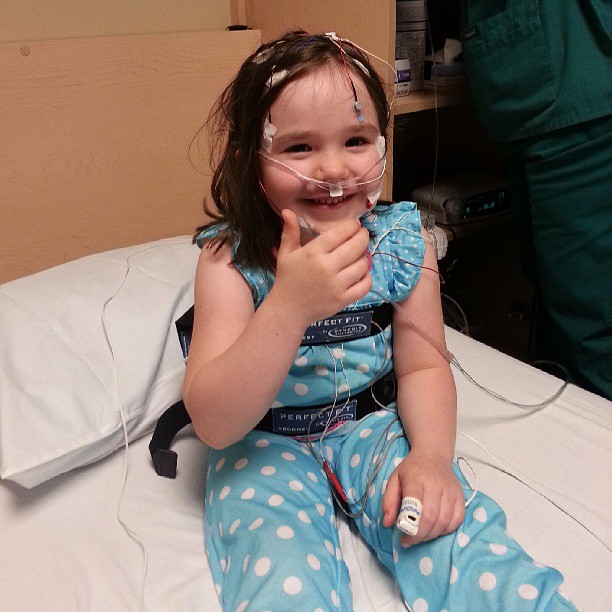
They can also ask their GP about local bulk-billing options, hospital outpatient clinics, or services linked to universities or larger health networks. Even when the test itself is cheaper, they should factor in delays and travel. See home sleep test Australia benefits and limitations explained.
Should they choose a home test or an in-lab study to avoid wasting money?
A home test can be cost-effective when they have straightforward symptoms and a high likelihood of obstructive sleep apnea. An in-lab study is often better value when symptoms are complex, when other sleep disorders are suspected, or when previous results were unclear.
The cheapest test is not always the best deal if it leads to inconclusive results and a second test. They should ask the referring doctor which option is most likely to answer their question the first time.
What other costs should they budget for after the sleep study?
The test cost is only the start for many people. They may also pay for a specialist appointment, follow-up consultations, and treatment such as CPAP.
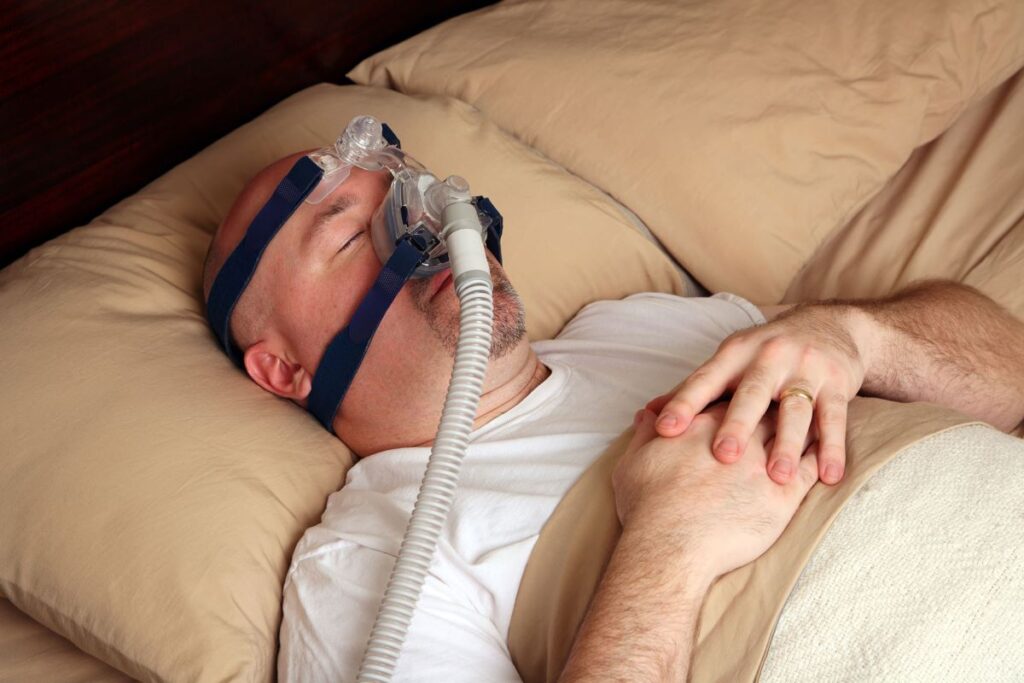
If they are diagnosed, common next expenses include CPAP trials, mask fittings, ongoing consumables, and periodic reviews. Asking for a rough “all-in” pathway estimate helps them understand what they might spend over the first 3 to 12 months, not just on test night.
What questions should they ask before booking a sleep apnea test in Australia?
They should get clarity on price and outcomes before committing. A quick checklist usually saves money and time.
They can ask:
- What is the total out-of-pocket cost, and what exactly is included?
- Is there a Medicare rebate, and what item numbers apply?
- Will a sleep physician review the data and provide a written report?
- Is a follow-up appointment included, and what does it cost if not?
- If results are inconclusive, what happens next and what will it cost?
What should they expect to pay overall?
Most Australians will land somewhere between a few hundred dollars for a home test and $1,000+ for an in-lab study, unless they qualify for lower-cost public options or rebates that significantly reduce the gap. The smartest move is to compare quotes based on what is included, then choose the pathway most likely to deliver a clear diagnosis without repeat testing.
If they want the most accurate estimate, they should request an itemised quote and confirm Medicare and insurance coverage before booking.
FAQs (Frequently Asked Questions)
What is the average cost of sleep apnea testing in Australia?
Sleep apnea testing costs in Australia vary widely, typically ranging from $0 to over $3,000. At-home sleep tests usually cost a few hundred dollars, while comprehensive in-lab sleep studies can range from high hundreds to over $2,000, depending on the facility and services included.
How much does an at-home sleep apnea test cost in Australia?
At-home sleep apnea tests (HSAT) generally cost a few hundred dollars when paid privately. Prices may include device hire, set-up, scoring, and report generation, but some providers charge separately for equipment and doctor interpretation. It’s important to confirm what the fee covers before booking.
Are there Medicare rebates available for sleep apnea testing in Australia?
Medicare may provide rebates for certain sleep apnea tests depending on the test type, provider, and whether Medicare requirements are met. However, testing is not automatically free under Medicare. Patients should ask their clinic about claimable item numbers and expected out-of-pocket costs to avoid surprises.
Does private health insurance cover the cost of sleep apnea tests?
Private health insurance can help reduce costs, especially for in-hospital or in-lab studies. Coverage depends on policy level, waiting periods, hospital agreements, and whether the service is inpatient or outpatient. Insurers often cover part of hospital fees but specialist fees and extras may remain out-of-pocket expenses.
Why do prices for sleep apnea tests vary so much between providers?
Price variations arise because providers offer different packages—some include specialist review, detailed reports, and follow-up consultations while others charge only for the test. Location factors like major metro labs versus smaller centers, urgent bookings, weekend studies, and extra monitoring also influence pricing.
Should I choose a home sleep test or an in-lab study to get the best value?
Choosing between a home test and an in-lab study depends on your symptoms and diagnostic needs. Home tests are cost-effective for straightforward cases with high likelihood of obstructive sleep apnea. In-lab studies are better for complex symptoms or when other sleep disorders are suspected. Consulting your doctor helps select the most appropriate option to avoid repeat testing and additional costs.