
Top 6 Benefits and Limitations of a Home Sleep Test Australia
Below are six key benefits and six common limitations, explained plainly.
What is a home sleep test in Australia?
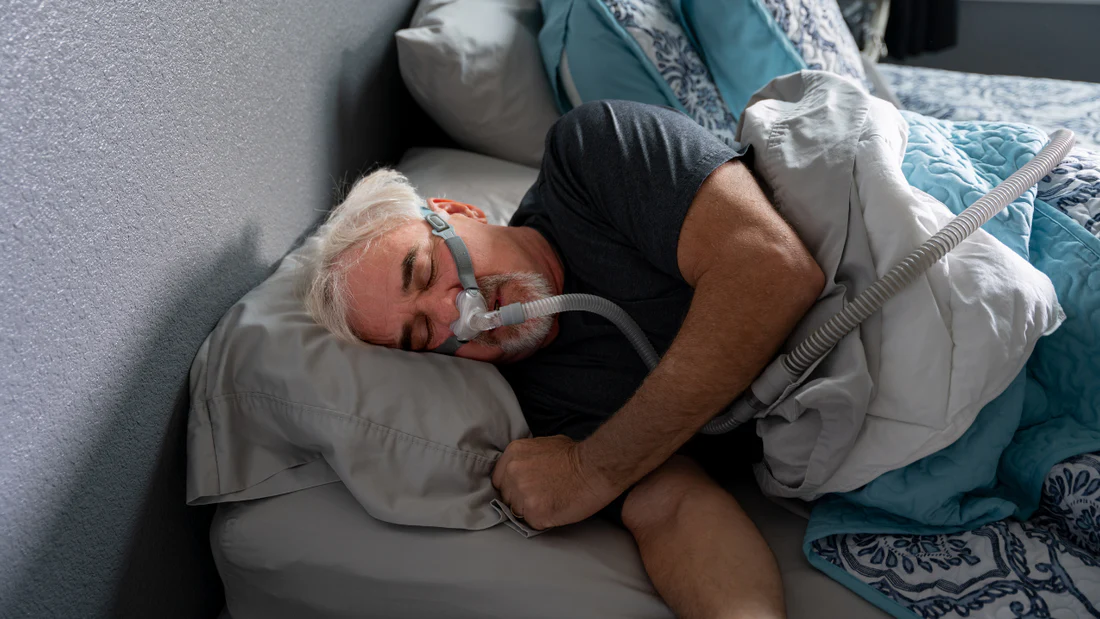
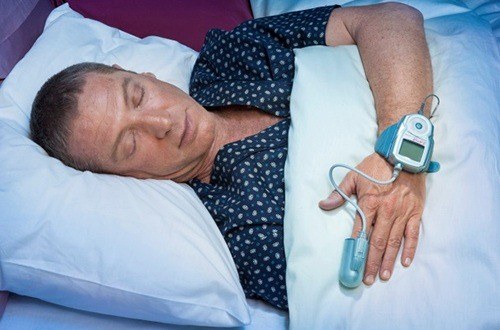
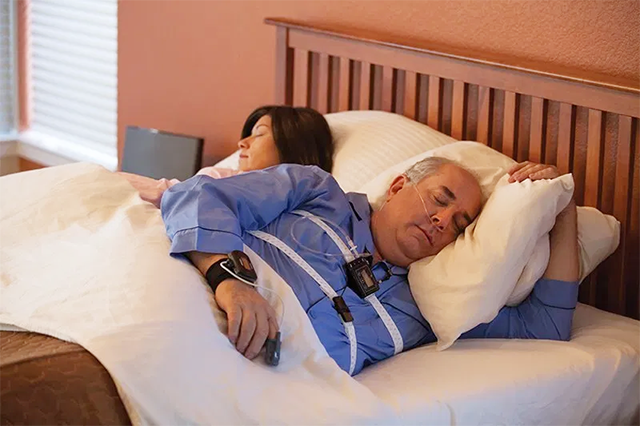
A home sleep test Australia is a portable sleep study completed in their own bed using a small monitoring device. It typically tracks breathing, oxygen levels, heart rate, airflow, and snoring, then a clinician reviews the data to assess the likelihood and severity of OSA.
In Australia, these tests are usually arranged through a GP, sleep physician, or a sleep testing provider, with eligibility and rebates varying by pathway.
What are the top benefits of a home sleep test?
They are convenient, often faster to schedule than an in-lab study, and can feel more comfortable for people who sleep poorly in unfamiliar settings. For many, the results are sufficient to confirm moderate to severe OSA and move forward with treatment.
They also tend to reduce costs and disruption compared with attending an overnight sleep laboratory.
How does a home sleep test improve comfort and sleep “normality”?
They sleep in their usual environment, which can reduce anxiety and improve the chance of a more typical night’s sleep. That matters because unusual sleep can sometimes skew results.
For people who dislike wires, clinics, or being observed, home testing can feel less intrusive and more private.
Why is a home sleep test often faster and more accessible?
They can often book sooner because it does not require a sleep lab bed, overnight staff, or travel to a specialised facility. That can be helpful when symptoms are affecting safety, like excessive daytime sleepiness and driving risk.
It also suits people in regional areas, where sleep lab access can be limited.
How can a home sleep test lower costs and time off work?
They usually avoid the added cost of a lab overnight stay and reduce indirect costs like travel, parking, and time away from family. For many households, that makes assessment feel more achievable.
Depending on the provider and eligibility, there may also be Medicare-related rebates in some pathways, but they should confirm this in advance.
What are the main limitations of a home sleep test?
They capture fewer signals than a full in-lab polysomnography, so the test is more focused on breathing-related sleep disorders like OSA. If their symptoms suggest other conditions, home testing may miss them.
Home testing also depends on correct setup, and a poor-quality recording can lead to repeats or delays.
When can a home sleep test miss conditions beyond obstructive sleep apnoea?
They may not get answers if the issue is narcolepsy, parasomnias, REM behaviour disorder, periodic limb movement disorder, or seizures during sleep. Home tests usually do not record brainwaves (EEG), detailed sleep stages, or leg movements in the same way a lab study does.
If their history is complex, an in-lab study may be the more appropriate first option.
How can user setup and sensor issues affect results?
They need to attach sensors correctly and keep them in place overnight. If a nasal cannula falls off or an oximeter reads poorly, the study can become inconclusive.
That can mean they need to repeat the test, which adds time, cost, and frustration, especially if symptoms are already severe. See sleep apnea test cost in Australia breakdown and expectations.
Who might not be a good candidate for a home sleep test in Australia?
They may not be suited to home testing if they have significant heart or lung disease, neuromuscular conditions, suspected central sleep apnoea, or other complex medical issues. In these cases, clinicians often prefer in-lab monitoring for safety and accuracy.
Children and many pregnant patients also require more tailored assessment, so they should ask their clinician which test is appropriate.
How should they decide between a home sleep test and an in-lab study?
They should choose based on symptoms, medical history, and what the clinician is trying to rule in or rule out. Home testing is often a strong option when the main concern is straightforward suspected OSA, especially with loud snoring, witnessed apnoeas, and daytime sleepiness.
If symptoms are unclear, mixed, or high-risk, an in-lab study may provide a more complete and reliable diagnosis.
What is the practical takeaway for them?
A home sleep test in Australia is often convenient, comfortable, and effective for diagnosing many cases of obstructive sleep apnoea. It is also limited in scope and can be less reliable when symptoms are complex or when setup issues occur.
They should discuss their symptoms and medical history with a GP or sleep physician, then choose the testing option that best matches the clinical question.
FAQs (Frequently Asked Questions)
What is a home sleep test in Australia and how does it work?
A home sleep test in Australia is a portable sleep study completed in the comfort of your own bed using a small monitoring device. It typically tracks breathing, oxygen levels, heart rate, airflow, and snoring. After the test, a clinician reviews the data to assess the likelihood and severity of obstructive sleep apnoea (OSA). These tests are usually arranged through a GP, sleep physician, or a sleep testing provider.
What are the main benefits of choosing a home sleep test for suspected obstructive sleep apnoea?
Home sleep tests offer several advantages including convenience, faster scheduling compared to in-lab studies, and greater comfort by allowing you to sleep in your usual environment. They often reduce costs and disruption by avoiding overnight stays at a sleep laboratory. For many people with moderate to severe OSA symptoms, these tests provide sufficient information to proceed with treatment.
Who might not be suitable candidates for a home sleep test in Australia?
Individuals with significant heart or lung disease, neuromuscular conditions, suspected central sleep apnoea, or other complex medical issues may not be good candidates for home testing. Additionally, children and many pregnant patients typically require more tailored assessments best done through in-lab studies. In such cases, clinicians prefer in-lab monitoring for safety and accuracy.
What limitations should I be aware of when considering a home sleep test?
Home sleep tests capture fewer signals than full in-lab polysomnography and focus mainly on breathing-related disorders like OSA. They may miss other conditions such as narcolepsy, parasomnias, REM behaviour disorder, periodic limb movement disorder, or seizures during sleep since they don’t record brainwaves (EEG) or detailed sleep stages. Also, incorrect setup or sensor issues can lead to poor-quality recordings requiring repeat tests.
How does sleeping at home improve comfort and potentially the accuracy of the sleep test?
Sleeping at home allows you to rest in your usual environment which can reduce anxiety and improve the chances of experiencing a typical night’s sleep. This normality is important because unusual sleep patterns caused by unfamiliar settings can skew results. Home testing also feels less intrusive for those who dislike wires or being observed during their sleep study.
How should I decide between a home sleep test and an in-lab study?
The choice depends on your symptoms, medical history, and what your clinician aims to diagnose or rule out. Home testing is often suitable when obstructive sleep apnoea is strongly suspected—especially if you have loud snoring, witnessed apnoeas, and daytime sleepiness. If your symptoms are unclear, mixed, high-risk, or suggest other complex conditions, an in-lab study may provide a more comprehensive and reliable diagnosis.