

Aerobika Device: What It Is and How It Helps Lung Health
It is commonly used at home as part of airway clearance therapy, especially for people who deal with chronic phlegm, frequent chest congestion, or conditions that make it harder to move mucus up and out.
What is the Aerobika device?
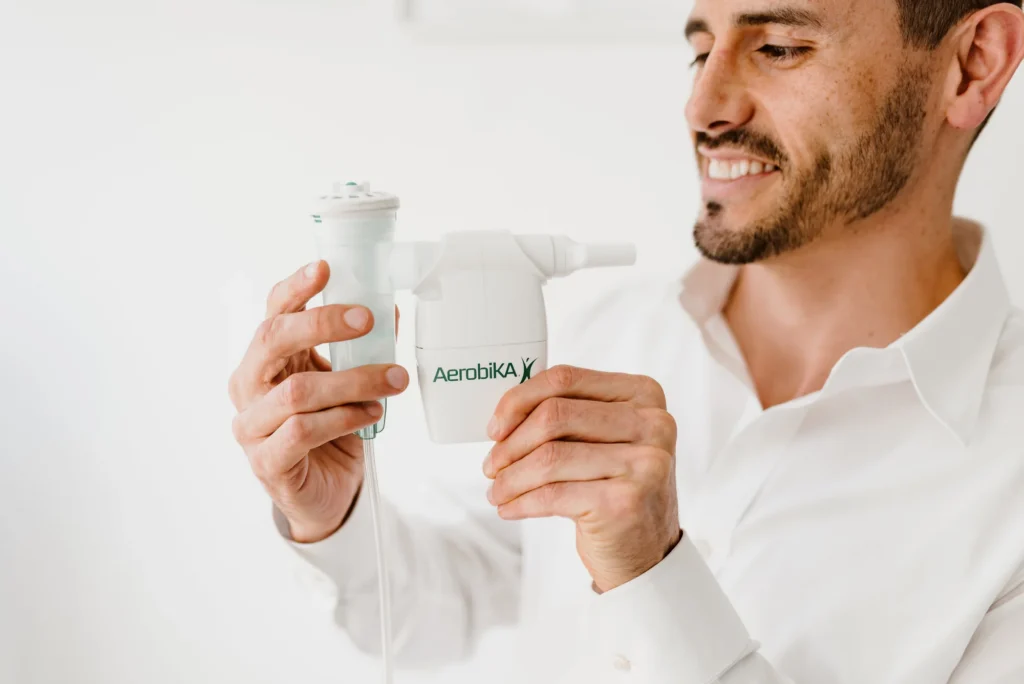
The Aerobika is an oscillating positive expiratory pressure (OPEP) device. In plain terms, it creates resistance and vibration during exhalation to help loosen mucus and keep airways from narrowing.
They typically breathe in normally, then breathe out through the device. During the exhale, the device produces small pulses of pressure and airflow oscillations that can help shift mucus from smaller airways toward larger ones where it is easier to cough out.
How does Aerobika work inside the lungs?
It works through two core actions: positive expiratory pressure (PEP) and oscillation. PEP helps “splint” airways open during exhalation, which can improve airflow behind mucus plugs. Oscillation adds vibration that can help loosen sticky secretions from airway walls.
Together, those effects can make coughing more productive. Instead of repeated dry coughing, they may be able to bring mucus up more efficiently after a short set of breaths.
Who is Aerobika usually meant for?
It is often used by people with chronic respiratory conditions where mucus clearance is a problem. That can include chronic bronchitis, bronchiectasis, COPD with ongoing sputum, and sometimes asthma with significant mucus, depending on clinician advice.
It may also be used after respiratory infections or surgery when a clinician wants them to improve airway clearance. The right fit depends on their diagnosis, symptoms, and whether they can follow the breathing technique safely.
What benefits can Aerobika provide for lung health?
Its main benefit is improving mucus clearance, which can support easier breathing and reduce the “blocked” feeling in the chest. If mucus is cleared more reliably, they may also experience fewer flare-ups triggered by retained secretions, depending on the underlying condition.
Many people also find it helps them feel less congested after treatment sessions. The biggest practical win is often that coughing becomes more effective and less exhausting because mucus is already loosened and moved upward. Read more about the impact of Aerobika oscillating positive expiratory pressure in improving small airway resistance, lung function, symptoms and exercise capacity in chronic obstructive pulmonary disease.
How is Aerobika different from a simple deep-breathing or coughing routine?
Deep breathing and directed coughing can help, but they rely heavily on effort and technique, and mucus can remain stuck in smaller airways. Aerobika adds consistent resistance and oscillation that can reach deeper and mobilize mucus before they start huffing or coughing.
It can also make an airway clearance session more structured. Instead of guessing when to cough, they follow a cycle of breaths, then clear mucus once it is more mobile.
How do they use the Aerobika device correctly?
They generally sit upright, seal their lips around the mouthpiece, inhale normally, hold briefly if instructed, then exhale through the device at a steady pace. The exhale should be active but not forceful, and they should feel the vibration in the chest or throat.
Most routines use sets of breaths followed by “huff coughs” or coughing to clear loosened mucus. Exact steps, posture, and session length should follow their clinician’s plan because needs vary widely.
What should they expect to feel during or after a session?
They may feel vibration during exhalation and a gradual shift in chest congestion. After a few cycles, they might notice mucus moving upward, prompting throat clearing or a productive cough.
Some people feel temporarily winded, especially at first, but a well-paced technique should not feel like they are “blowing hard.” If they feel dizzy, wheezy, or unusually tight in the chest, they should stop and consult a clinician.
When should Aerobika be used in a daily routine?
Many clinicians recommend using it at consistent times, often when mucus tends to build up, such as mornings. It may also be used before or after nebulized therapies depending on their care plan, because airway clearance is often paired with inhaled medications.
Timing matters because mucus clearance can be easier when they are hydrated and when treatments are sequenced properly. Their clinician can help decide whether Aerobika comes before bronchodilators, after saline, or at another point.
How do they clean and maintain the Aerobika device?
Regular cleaning is essential because the device contacts saliva and mucus. They typically disassemble it, wash with warm soapy water, rinse thoroughly, and allow it to air-dry completely.
Some care plans include periodic disinfection, especially for people prone to infections. The safest approach is to follow the manufacturer’s instructions and their clinic’s hygiene guidance rather than improvising, since improper cleaning can damage parts or increase contamination risk.
Who should avoid Aerobika or use it only with medical guidance?
They should only use it under medical guidance if they have conditions where increased airway pressure is risky, such as certain types of untreated pneumothorax history, significant hemoptysis, or severe cardiovascular instability. They should also be cautious if they cannot maintain a good mouth seal or follow instructions reliably.
If they experience chest pain, marked shortness of breath, or coughing up blood, they should stop and seek medical advice promptly. Aerobika is supportive therapy, not a substitute for diagnosing worsening symptoms. Read more about portable oxygen concentrators and the top features to look for.
What is the simplest way to know if Aerobika is actually helping?
They can track practical outcomes: easier breathing after sessions, more productive mucus clearance, fewer “stuck” coughing spells, and potentially fewer exacerbations over time. Some people notice changes within days, while others need consistent use for longer.
A clinician may also monitor symptom scores, rescue inhaler use, sputum volume, or flare-up frequency. If there is no benefit after a fair trial with correct technique, it may be a sign they need adjustments in method, timing, or a different airway clearance approach.