
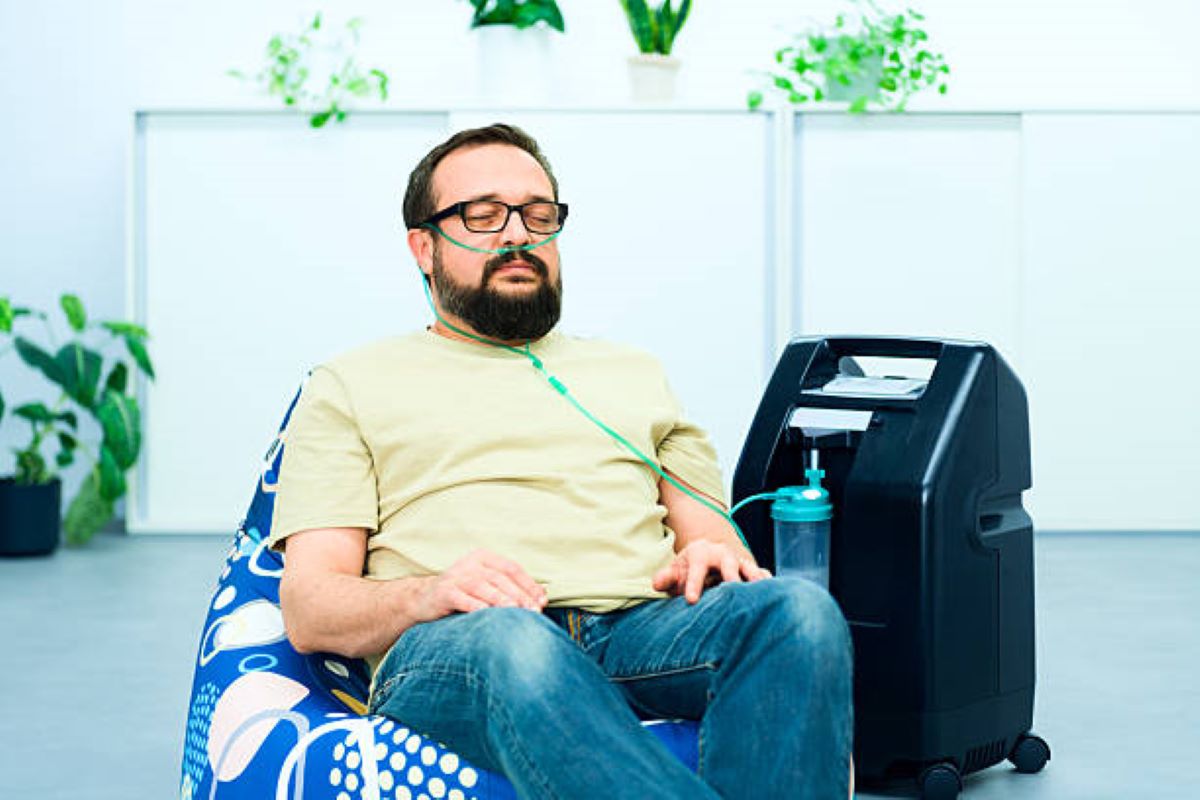
Portable Oxygen Concentrator: Top Features to Look For
This guide covers the most practical features to compare before they buy or rent one.
What oxygen delivery mode do they need: pulse dose or continuous flow?
They should match the portable oxygen concentrator to their prescription first, because not every POC supports every therapy style. Pulse dose delivers oxygen in bursts when the device senses an inhale, while continuous flow delivers a steady stream.
Pulse dose is common for daytime use and tends to be lighter. Continuous flow is often needed for some people during sleep, with certain breathing patterns, or with higher oxygen demands, but continuous-flow POCs are typically heavier and have shorter battery life.
How much oxygen can it deliver at their required setting?
They should confirm the device can meet their prescribed liters per minute (LPM) or pulse setting across real use, not just the maximum number on a spec sheet. Some devices advertise high “settings,” but those settings are not the same as continuous LPM.
It helps to ask the supplier how the device performs during exertion, stairs, and sleep, since oxygen needs can change with activity and position.
How long will the battery last in their real routine?
They should treat battery life as a range, not a promise. Battery duration depends on flow setting, breathing rate, altitude, temperature, battery age, and whether they use pulse dose or continuous flow.
They’ll usually want enough battery to cover errands plus a buffer for delays. If they fly or travel often, they should check how many spare batteries they can realistically carry and how long it takes to recharge between outings.
How portable is it: weight, size, and carry comfort?
They should prioritize the heaviest thing they’ll actually carry, not the lightest configuration in the brochure. A POC that feels manageable at home can become tiring after 20 minutes in a parking lot or airport.
They should compare total carry weight with the battery they’ll use most, then check whether it comes with a comfortable shoulder strap, backpack option, or rolling cart, and whether controls are easy to reach while walking.
How loud is it, and will it be distracting in quiet settings?
They should consider noise if they plan to use it in restaurants, offices, theaters, or during sleep. POCs make sound from the compressor, airflow, and alarms, and the perceived noise can be more important than a single decibel rating.
If possible, they should listen to the device in a quiet room and while moving, because vibration and rhythmic pulsing can be more noticeable than steady fan noise.
How easy is it to use and read, especially under stress?
They should be able to operate it confidently without fine motor effort or complex menus. The most useful designs have clear buttons, readable displays, simple battery swaps, and settings that are hard to change by accident.
They should also check whether the device has a lock function, whether alarms are understandable, and whether the screen remains readable in sunlight and low light.
What alarms and safety features does it include?
They should look for alarms that cover power loss, low battery, no breath detected (for pulse dose), low oxygen purity, and overheating. These alerts matter most when they are in transit, alone, or asleep.
They should also check how alarms can be silenced temporarily, how long they remain active, and whether the device provides clear on-screen guidance or only beeps.
Will it handle where they live and travel: altitude, heat, and humidity?
They should confirm the operating altitude range, especially if they live at elevation or travel to mountain areas. Oxygen concentrators can deliver less effective therapy outside their rated conditions.
Heat and humidity also matter. If they spend time outdoors, in cars, or in warm climates, they should check the device’s temperature limits and whether it has good airflow and thermal protection. Visit https://www.aihw.gov.au/reports/corporate-publications/oxygen-concentrators/contents/summary to get a summary about Oxygen Concentrators.
Is it travel-ready, especially for flights and long days out?
They should check whether the unit is FAA-accepted for in-flight use if they plan to fly. Airlines often require specific documentation and enough battery to cover the flight time plus extra hours, so battery planning matters as much as the device itself.
They should also consider how quickly it can be charged in a car, whether it supports AC and DC power, and whether cords and adapters are easy to replace on the road.
How expensive is ownership, and what does the warranty actually cover?
They should compare the real cost of ownership: device price, extra batteries, replacement cannulas and filters, and potential service costs. A cheaper device can become expensive if batteries are proprietary and replacements are frequent.
They should read warranty terms for the concentrator and the battery separately, and confirm turnaround times for repairs. If they cannot be without oxygen equipment, they should ask whether loaners are provided during service.
How easy is maintenance, and can they keep it running reliably?
They should choose a model with maintenance they can realistically keep up with, such as washable filters, simple cleaning steps, and clear error messages. If filters are hard to access or replacements are costly, long-term reliability can suffer.
They should also ask how often the device needs inspection, whether the supplier provides routine checks, and how they can verify performance if they feel under-oxygenated.
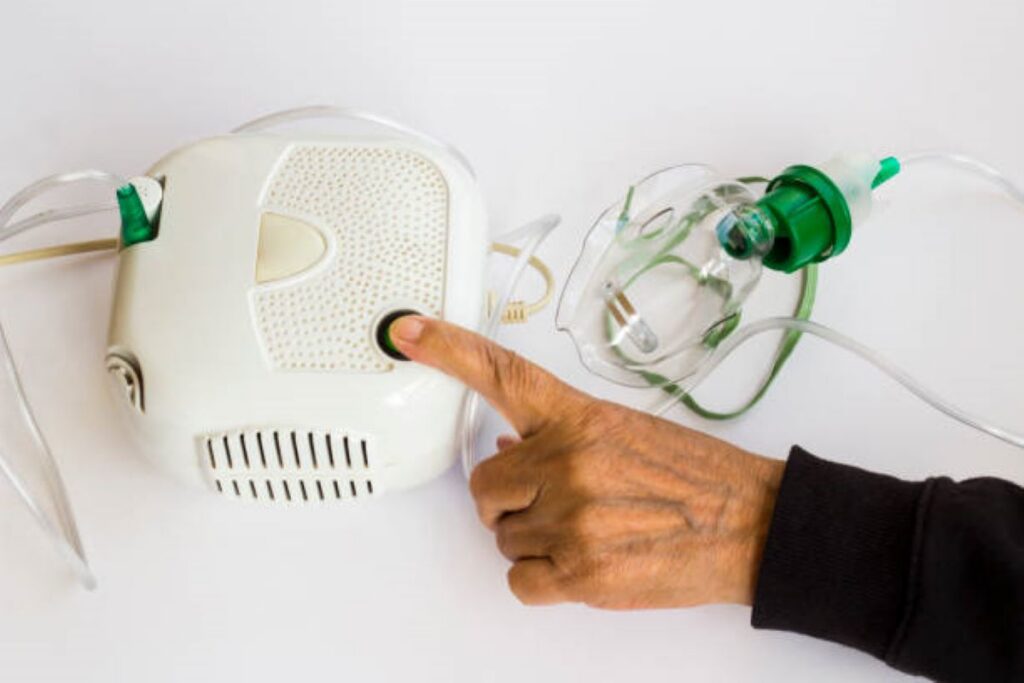
What should they ask a provider or supplier before choosing?
They should ask for a trial period or a supervised walk test when possible, because comfort and performance are hard to judge on paper. They should also confirm whether the device works well with their cannula type and whether it’s recommended for sleep if they plan to use it overnight.
A short checklist helps:
- Does it support their prescribed mode (pulse dose vs continuous flow)?
- What is the expected battery life at their setting?
- Is it FAA-accepted, and what batteries are allowed?
- What alarms are included, and what do they mean?
- What is the warranty on the unit and on the battery?
- What is the plan if it fails while traveling?
Which features matter most for most people?
They should prioritize oxygen compatibility first, then battery life and carry comfort. After that, noise, usability, and travel readiness usually decide whether they’ll actually use it confidently every day.
A good POC is the one that consistently meets their oxygen needs while fitting into their routine without constant hassle.
Related : Aerobika Device: What It Is and How It Helps Lung Health